Timeless Elegance: The Decorative Ornate Banister Element
When we talk about creating an atmosphere of luxury and history in design, typography does the heavy lifting. However, sometimes you need more than just a typeface; you need a structural motif. Enter the Decorative Ornate Banister Element. This isn't a font in the traditional sense of holding letters, but rather a sophisticated collection of vector assets that mimics the intricate scrollwork and woodwork found in Victorian and Neoclassical architecture. It is a visual language of craftsmanship, offering digital creators the ability to weave real-world texture and elegance into their projects.
The Aesthetic: Wood, Iron, and Digital Precision
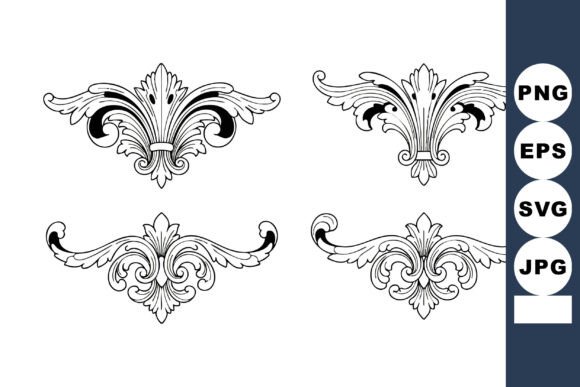
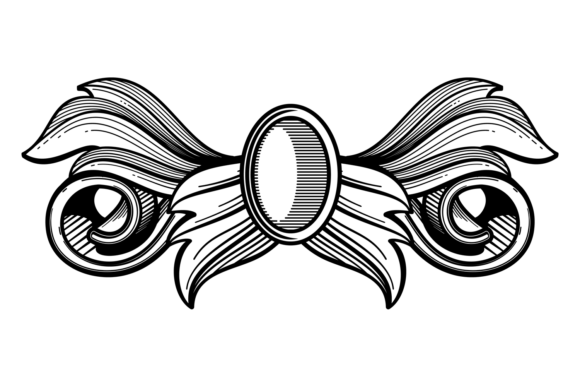
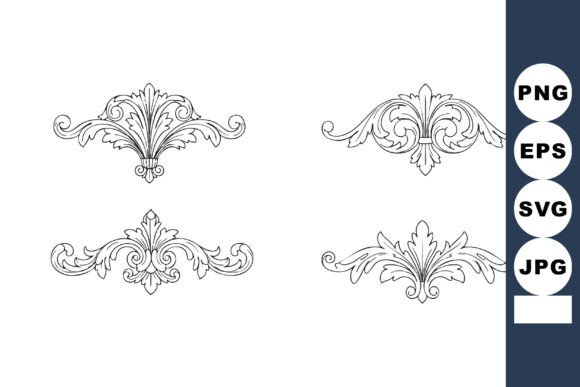
The core appeal of this asset lies in its dual nature. It captures the organic warmth of wood and the structural integrity of ironwork, yet delivers it in a clean, scalable vector format. When you download a Decorative Ornate Banister Element set—often available as EPS, JPG, SVG, or transparent PNG files—you are getting isolated icons that feature flowing curves, acanthus leaves, and symmetrical scrolls. The visual personality is undeniably classical. It speaks of heritage, stability, and high-end construction. Unlike modern, minimalist design assets, these elements have a heavy "visual weight" and a texture that feels tactile, even on a screen.
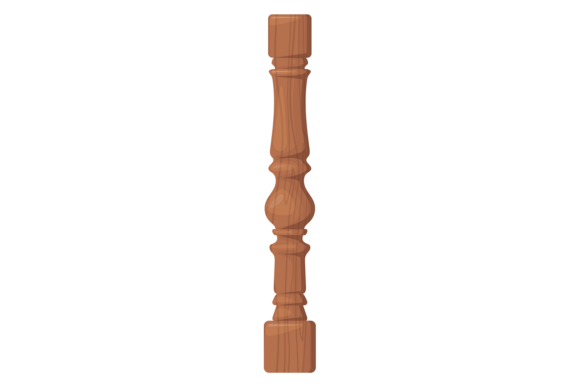
For a designer, this texture is gold. Modern design often leans heavily on flat colors and clean lines. Introducing a Wooden baluster icon isolated on white background creates a striking contrast. It grounds a layout, offering a focal point that feels substantial. Whether you choose the raw transparency of a PNG for layering or the editable paths of an SVG for recoloring, the element retains a sense of handcrafted authenticity that stock geometric shapes simply cannot replicate.
Strategic Applications: Where Ornamentation Works Best
Knowing when to use an ornate element is just as important as the design itself. The Decorative Ornate Banister Element shines brightest in specific contexts where brand perception relies on tradition, luxury, or artisanal quality. This asset is a powerhouse for industries that trade on the idea of "legacy."
Consider the following real-world applications:
- Logo Design & Brand Identity: For boutique hotels, high-end law firms, restoration companies, or vintage clothing brands, a banister element can serve as a framing device or a standalone emblem. It instantly communicates prestige without needing a single word of copy.
- Packaging Design: In the spirits, gourmet food, or cosmetic industries, packaging is tactile. Using a wooden baluster motif on a label or box sleeve suggests that the product inside is crafted with care. It elevates a shelf presence from "commodity" to "heirloom."
- Editorial Design & Publishing: If you are designing a magazine cover, a book jacket, or an invitation suite with a historical theme, these elements create perfect borders and drop caps. They add a layer of sophistication that aligns with literary tradition.
- Web Design & Digital Headers: While you must be careful with load times, using these vectors as subtle background textures or hero image overlays can give a website a distinct personality. It works exceptionally well for architects, interior designers, and antique dealers.
Visual Hierarchy and Audience Engagement
Typography and graphic elements work together to guide the viewer's eye. A Decorative Ornate Banister Element acts as a strong anchor in visual hierarchy. Because it is intricate and detailed, it naturally draws attention. This makes it an excellent tool for "stopping power"—the ability to make a user pause their scrolling on social media or a magazine page.
However, this complexity requires balance. If you pair these ornate elements with a highly decorative script font, you risk visual noise. The design becomes illegible and chaotic. Instead, the best strategy is to use contrast. Pair the ornate woodwork with a clean, geometric sans serif font or a modern serif font. The simplicity of the typography allows the Decorative Ornate Banister Element to breathe, while the ornamentation gives the typography a sophisticated backdrop. This interplay enhances readability and ensures that your message is received with the intended tone of elegance.
Furthermore, consistency is key in branding. If you use a Wooden baluster icon as a divider in your brochure, consider using a simplified version of the same curve in your website footer. This repetition builds a cohesive visual language. It tells your audience that you pay attention to details, which subconsciously suggests that you pay attention to the details of your service or product as well.
Practical Integration: Tips for Designers and Creators
For the creative professional or hobbyist looking to integrate this asset, a few practical considerations will ensure the best results. First, consider the file format. If you are working in Adobe Illustrator or Affinity Designer, the EPS or SVG format is essential. These vector formats allow you to scale the Decorative Ornate Banister Element to massive sizes for signage or tiny sizes for business cards without losing quality. You can also change the stroke weight and color to match your specific brand palette.
If you are working in Photoshop, Canva, or for quick web implementation, the transparent PNG is your best friend. Look for assets that offer high resolution (300 DPI) to avoid pixelation when printing. When placing the element, pay attention to the negative space. These ornate shapes have complex silhouettes; giving them room to breathe prevents the layout from feeling cramped.
Finally, think about the narrative. Why are you using a banister element? Is it to suggest a "step up" in quality? To evoke a "stairway to success"? Or simply to add architectural beauty? When the visual element connects to the brand's story, the design becomes more than just decoration—it becomes a strategic asset. The Decorative Ornate Banister Element is a versatile, timeless tool that bridges the gap between digital precision and artisanal warmth, making it a worthy addition to any designer's toolkit.