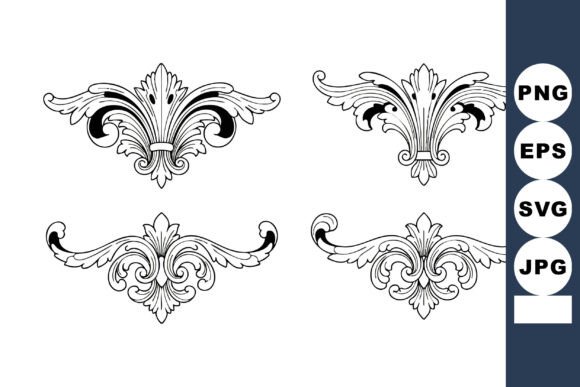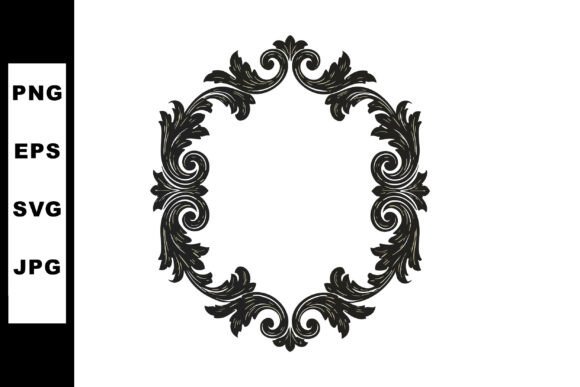
Decorative Ornate Filigree Element: Vintage Baroque Elegance
Unpacking the Visual Character of This Design Asset
There's a particular kind of design challenge that calls for something more than a simple, clean typeface. You need a visual element that carries history, weight, and a sense of artistry. This is where a resource like the Decorative Ornate Filigree Element comes into play. At its core, it's a set of intricate, swirling vector graphics inspired by the lavish ornamentation of the Baroque period. Think of it as a piece of digital craftsmanship, isolated on a white background and available in versatile formats like EPS, SVG, and transparent PNG.
The personality of this element is unmistakable. It speaks of luxury, tradition, and meticulous detail. The lines are fluid and confident, forming complex, symmetrical patterns that draw the eye. It’s not just a swirl; it’s a narrative in curves. The appeal lies in its ability to instantly elevate a project, adding a layer of sophistication that feels both intentional and timeless. Whether you're a designer working on a premium brand identity or a crafter adding a special touch to invitations, this filigree provides that "heirloom" quality many modern designs lack.
Where Baroque Swirls Truly Shine
Understanding the right context for such a decorative ornate filigree element is key to using it effectively. It’s a specialist, not a generalist. Its strength lies in projects where a sense of occasion, heritage, or high-end craftsmanship needs to be communicated.
In logo design, it can serve as a stunning monogram frame or a central emblem for brands in the luxury, wedding, or artisanal goods space. For packaging design, imagine it adorning the label of a boutique wine, a box of gourmet chocolates, or a line of premium skincare—it immediately signals quality and care. Editorial design benefits too, where it can act as a magnificent drop cap, a chapter heading ornament, or a divider in a high-end magazine or book layout.
The digital realm offers just as much opportunity. Use it to create visually arresting social media graphics for announcements, sales, or profile banners. For web design, it can frame important content blocks, highlight special offers, or add a decorative touch to a website's footer or header, especially for businesses in the hospitality, event planning, or luxury retail sectors. Even personal projects like wedding stationery, holiday cards, or photo album covers gain a professional, polished finish with this kind of ornamental asset.
Strategic Impact on Brand and Communication
Integrating a vintage baroque swirl into your work isn't just about decoration; it's a strategic choice that influences perception. First, it establishes visual hierarchy. The ornate detail naturally becomes a focal point, guiding the viewer's attention to the most important information, be it a company name or a special message. This directly impacts readability—not of body text, but of the key message you want to stand out.
Consistently using such an element across your materials builds a strong brand identity. It becomes a recognizable signature, fostering brand recognition and setting you apart from competitors using generic clip art. The element conveys a specific set of values: tradition, attention to detail, and a commitment to quality. This shapes audience perception before they even read a word. A well-chosen ornament like this can make a small business appear established and trustworthy, while a larger corporation can use it to evoke a sense of legacy and timeless elegance.
Practical Guidance for Implementation
So, how do you actually work with a resource like the Decorative Ornate Filigree Element? Here’s a straightforward approach.
First, evaluate the project fit. Ask yourself if the overall brand or project tone aligns with Baroque aesthetics. A tech startup might find it at odds, while a vintage clothing brand or a law firm could find it perfect. Next, consider the file formats. The SVG and EPS formats are ideal for scaling without loss of quality—essential for large prints or detailed logos. The transparent PNG is perfect for quick digital use in presentations or social media posts.
A critical step is font pairing. This ornate element demands a complementary typeface. It often pairs beautifully with a clean, strong sans serif font for contrast, allowing the filigree to be the star while ensuring body text remains highly readable. A elegant serif font can also work for a fully classic look. Avoid pairing it with other highly decorative script fonts or handwritten fonts, as the visual competition can create clutter and reduce legibility.
Finally, always review the licensing. Ensure you have the appropriate commercial license if you're using it for client work, products for sale, or business marketing. Most premium design asset sites offer clear licensing tiers. Taking a moment to understand this protects your project and respects the creator's work. By thoughtfully applying this vintage baroque swirl, you transform a simple design into a memorable piece of communication that resonates with depth and style.