Modern Blue Sideboard with Decorative Pl: A Designer’s Guide to This Statement Piece
The Visual Personality of a Modern Blue Sideboard
There’s a reason the Modern Blue Sideboard with Decorative Pl catches your eye immediately. It isn’t just furniture; it’s a deliberate statement about contemporary living. Picture a sleek, low-profile cabinet finished in a deep, matte navy or a vibrant cerulean. The color itself is the first character in this story—it’s confident without being loud, and sophisticated without feeling sterile. The clean lines, often featuring flat-front doors and minimal hardware, speak to a modern, uncluttered aesthetic. But it’s the details that give it soul: the subtle texture of the wood grain beneath the paint, the soft-close drawers, and the perfect proportions that balance visual weight with airy space.
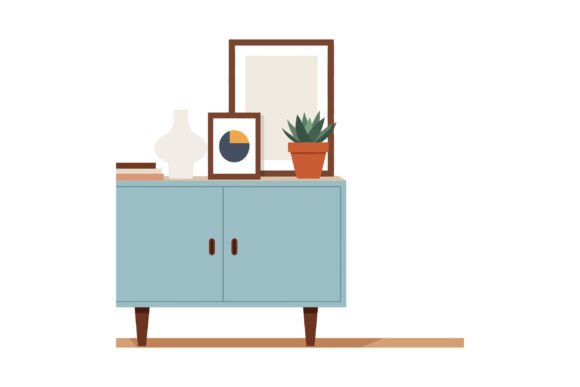
The true magic, however, lies in how it’s styled. The illustration you’re imagining—a potted monstera or fiddle-leaf fig adding organic life, a piece of framed abstract art leaning casually against the wall, and a sculptural ceramic vase—transforms the sideboard from a storage unit into a curated vignette. This isn’t accidental; it’s a masterclass in visual hierarchy and creating a calm atmosphere. The blue grounds the scene, the plant adds a necessary pop of natural color and softness, the art provides a focal point and intellectual interest, and the vase introduces a different shape and material. Together, they create a balanced, inviting tableau that feels both designed and lived-in.
Where This Aesthetic Truly Shines: Applications Beyond the Living Room
Thinking of the Modern Blue Sideboard with Decorative Pl as merely a piece of furniture is missing its broader potential as a design asset. Its core principles—bold color, clean form, and curated accessories—are a powerful blueprint for visual communication across numerous fields. For brand identity, this sideboard’s persona translates perfectly. It suggests a brand that is contemporary, trustworthy (blue often connotes reliability), and attentive to detail. Imagine a boutique hotel, a high-end skincare line, or a modern consultancy using this exact color palette and styling in their logo design and marketing materials. It immediately sets a tone of refined, approachable professionalism.
In editorial design and packaging design, the composition is a lesson in balance. The sideboard acts as the stable, dominant element, much like a bold headline or the primary shape on a box. The decorative elements are the supporting cast—subheadings, body text, or nutritional information—that need to be arranged to guide the eye without competing. For web design, the minimal interior setting is a perfect metaphor for a clean user interface: the blue sideboard is your primary call-to-action button or key content block, and the plants and art are the intuitive icons and engaging imagery that make the experience feel human and navigable.
For social media graphics, this setup is gold. It’s inherently photogenic and tells a complete story in one frame. A content creator or small business owner could use a similar styled shot as a backdrop for quotes, product announcements, or behind-the-scenes glimpses. It communicates a lifestyle and an aesthetic that resonates with an audience valuing design and intention. The calm atmosphere it projects is especially valuable in a noisy digital space, offering viewers a moment of visual respite that makes your content more memorable and shareable.
Practical Guidance: Choosing and Using the Right Elements
Adopting the Modern Blue Sideboard with Decorative Pl look requires more than just buying a blue cabinet. It’s about understanding the interplay of elements. First, select your blue. Navy offers depth and formality, while a brighter blue feels more energetic and youthful. Consider the finish: matte feels more contemporary and hides imperfections, while a satin or gloss finish can add a touch of glamour and reflect light beautifully in a minimal interior setting.
Next, curate your accessories with the same intentionality. The plant should have a strong, architectural form to stand up to the sideboard’s clean lines. The art doesn’t need to be expensive, but it should have a frame that complements the sideboard’s style—a thin black metal frame for industrial edge or a natural wood frame for warmth. The vase or decorative object should introduce a different texture, like rough stoneware against smooth painted wood, or a metallic accent for a hint of luxury. This is where you apply principles of font pairing in a physical space: each element should have its own voice but work in harmony to create a cohesive brand identity for the space.
Finally, consider the practicalities of placement. This sideboard works best in spaces where it can be appreciated, such as an entryway, a dining room, or behind a sofa. Ensure the wall behind it is relatively uncluttered to let the color and the styled vignette command attention. The goal is to create a focal point that feels intentional and serene. By treating your space with the same care a designer gives to a layout—thinking about balance, contrast, and flow—you can capture the essence of this modern, calming aesthetic in your own home or commercial project. It’s a powerful example of how thoughtful design choices, from a piece of furniture to the creative font on a menu, directly influence perception and engagement.