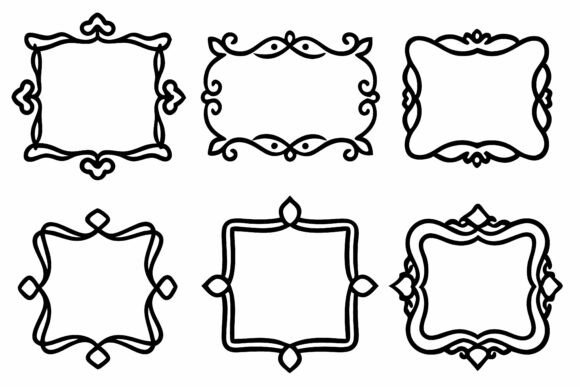
Pinned Paper Frames: The Perfect Decorative Photo Border
There is a specific nostalgia attached to the way we used to display photos before the digital age took over. We didn't just have endless storage on a cloud server; we had corkboards, refrigerators, and messy desks. We used pushpins, tape, and magnets to hold our memories in place. That tactile, analog feeling is exactly what the Decorative Photo Border. Pinned Paper Frame brings to modern design. It isn't just a border; it is a stylistic device that instantly communicates a sense of authenticity, immediacy, and warmth.
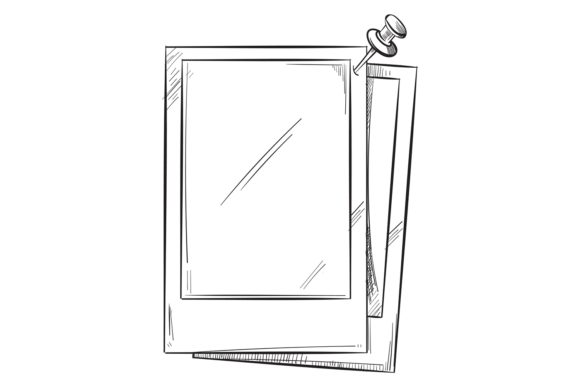
Visually, this design asset operates on a clever illusion. It typically features a slightly off-white or kraft paper texture that appears to be "floating" or attached to the background via realistic pushpins. The style bridges the gap between a script font aesthetic and a structured display font. While it functions as a frame, it possesses a personality usually reserved for handwritten fonts—it feels personal and unpolished in the best way possible. Whether you are utilizing an EPS vector for print or a transparent PNG for digital layering, the file formats included allow for crisp scaling without losing that handmade charm.
Real-World Applications: From Branding to Social Media
Understanding where to deploy the Decorative Photo Border. Pinned Paper Frame is key to getting a return on your creative investment. This asset shines brightest in environments where you want to break down the barrier between the brand and the consumer. It is a powerful tool for humanizing a message.
For small business owners and entrepreneurs, this frame is a secret weapon for packaging design. Imagine a boutique coffee brand or an artisanal soap maker; using a rigid, geometric border might feel too corporate. Instead, wrapping the product imagery in a pinned paper frame suggests that the product was handcrafted with care. It aligns the visual identity with the product's reality. In web design, it can be used to highlight user-generated content or testimonials. Placing a customer review inside this frame makes it look like a genuine note pinned to a board, rather than a manufactured marketing quote.
Bloggers and publishers find immense value here as well. In editorial design, breaking up long blocks of text is essential for retention. Using the Decorative Photo Border. Pinned Paper Frame as a container for pull quotes or author bios adds a layer of visual interest that standard boxes cannot match. It creates a "scrapbook" feel that encourages readers to linger. Similarly, in social media graphics, where the scroll speed is incredibly fast, this distinct border acts as a pattern interrupt. It stops the thumb because it looks different from the sleek, high-gloss graphics usually found on Instagram or Pinterest feeds.
The Psychology of Texture in Modern Typography
In the realm of modern typography and design, texture is often used to evoke emotion. A clean, vectorized sans serif font communicates efficiency and modernity, but the Decorative Photo Border. Pinned Paper Frame communicates sentimentality. When you pair this border with a premium font, you create a fascinating contrast. For example, placing a bold, industrial headline font inside a soft, paper frame softens the message, making it more approachable.
This asset influences brand perception by signaling that a brand values the "real" over the "perfect." In an era of AI-generated perfection and airbrushed images, a design that looks like it was pinned to a wall feels grounded. It enhances visual hierarchy by drawing the eye inward. The pins act as focal points that anchor the viewer's gaze, while the paper texture provides a neutral, low-contrast stage for the content inside. This makes it incredibly useful for logo design presentations or mood boards where you want to show how a brand feels, not just how it looks.
Practical Integration and Design Strategy
Integrating a Decorative Photo Border. Pinned Paper Frame into your workflow requires a bit of strategy to ensure it enhances rather than clutters. Here are practical tips for designers and creators:
- File Selection: If you are working on a textured background, use the transparent PNG to ensure the edges blend seamlessly. For high-end print projects like brochures or booklets, the EPS or SVG files are superior because they are vector-based and will remain sharp at any resolution.
- Font Pairing: Because the border itself is decorative, be careful with the typography inside. Avoid overly ornate script fonts that might compete with the pins and paper texture. A clean serif font or a readable sans-serif works best for body text, ensuring readability isn't sacrificed for style.
- Color Harmony: The frame usually comes in standard white or kraft. If you change the background color of your design, ensure there is enough contrast so the paper edge remains visible. The "white" of the paper should be distinct from the background to maintain the illusion of depth.
- Licensing: Always verify the commercial font and asset licensing. If you are using this for a client’s packaging design or a mass-produced t-shirt, you need a license that covers commercial distribution. Most standard licenses cover digital use (web/social), but physical merchandise often requires an extended license.
Building a Cohesive Visual Language
Consistency is the hallmark of professional design. The Decorative Photo Border. Pinned Paper Frame can become a recurring motif in your brand identity. By using it consistently across your email headers, your website "About" page, and your physical mailers, you create a recognizable thread that ties your content together.
Think of this asset not just as a decoration, but as a functional piece of your design system. It helps organize information. For instance, in a complex infographic, you can use the pinned frame to separate "fun facts" from hard data. It tells the viewer, "Look here for something interesting and personal." This kind of visual signaling is invaluable for marketers trying to guide a user journey without using aggressive "Click Here" buttons.
Ultimately, the Decorative Photo Border. Pinned Paper Frame is about adding a human touch to a digital world. It appeals to the crafter, the hobbyist, and the professional designer alike because it taps into a universal visual language: the things we pin up are the things we care about. Whether you are designing a wedding invitation or a corporate newsletter, this frame tells your audience that there is a real person behind the screen, sharing something worth looking at.